A practical program starts with the operating details.
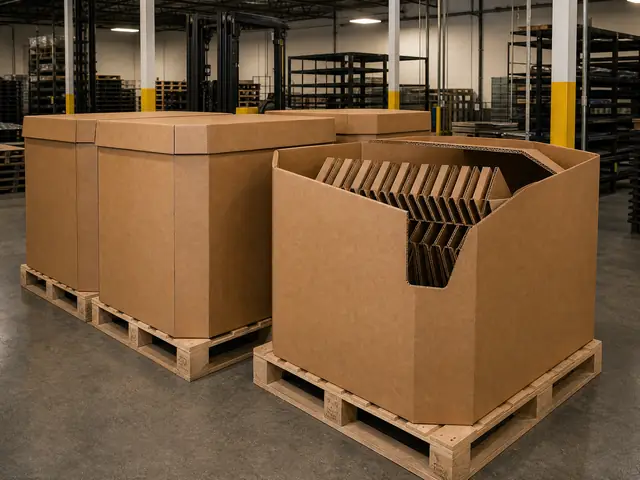
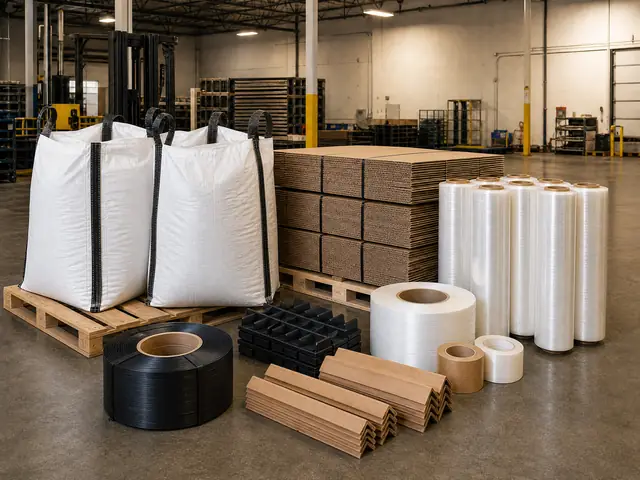
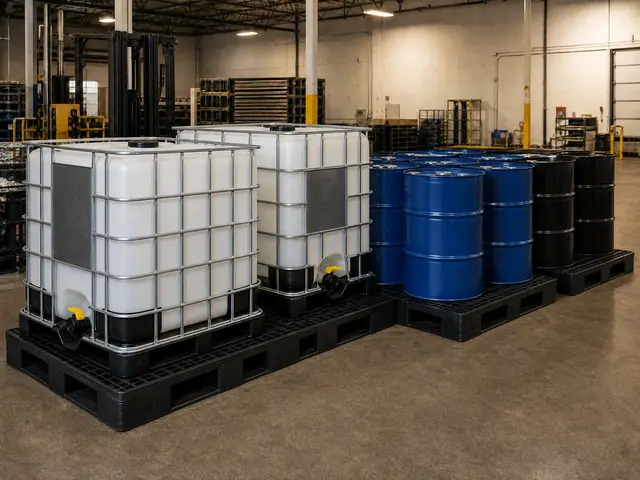
From a single container type to a broader packaging request, we help industrial buyers organize the inputs before pricing: what is being packed, product dimensions and density, how it is filled or unloaded, how it will move, and expected order quantity. Available sourcing may include Gaylord boxes, corrugated containers, FIBC bulk bags, IBC totes, drums, stretch or shrink wrap, slip sheets, dunnage, tape, and strapping. Product fit, material compatibility, closure or liner needs, and current availability should be confirmed for each order. Combine packaging questions with a pallet inquiry when the load needs to work as one system.
- Bulk-container sourcing
- Pallet-load protection supplies
- Corrugated and Gaylord options
- FIBC and super sack inquiries
- Film, tape, and strapping
- Pallet and packaging coordination
Specify Bulk Containers Around the Material
Packaging starts with the material and its movement, not simply a familiar box or bag name. For a useful quote, describe the product, dimensions, weight or density, expected quantity, and whether it will be filled, stored, stacked, or shipped. For corrugated bulk containers, the pallet footprint and handling plan are important. For bulk bags, the filling and discharge approach may also affect the product specification.
That information helps distinguish options for bulk solids, loose components, and pallet loads from products that need specialized documentation or review. If a request involves a liner, static-control feature, food-contact documentation, export treatment, or regulated-material packaging, identify it at the RFQ stage so the applicable specification can be reviewed before ordering.
Build the Pallet Load as a System
Industrial buyers can bring Gaylords, FIBCs, IBCs, drums, pallet film, tape, strapping, slip sheets, and dunnage into one purchasing conversation. Pairing a packaging request with a pallet inquiry makes it easier to consider the container footprint, pallet type, wrap, corner protection, and securement as connected parts of the load.
The goal is a clearer RFQ, not a pre-set package. Include the delivery location and timing, whether demand is recurring or project-based, storage conditions, and whether goods will be forklifted, racked, or transported. Sourcing coordination is subject to product, volume, route, and current availability.
Choose Supplies for the Actual Handling Step
A Gaylord or corrugated bulk container may support collection or shipment of loose components. FIBCs may suit certain dry bulk materials when the bag construction and handling method are confirmed. IBC totes and drums may fit specific liquid or material-handling programs, subject to compatibility and any required documentation. Film, tape, strapping, dunnage, and slip sheets can support prepared pallet loads.
Illustrative product images are not specifications. Final selection depends on the actual product, handling method, storage environment, transport conditions, and applicable requirements. Sharing pallet dimensions and packaging details together gives the buyer a stronger basis for evaluating how the prepared load will move through the dock, warehouse, and carrier handoff.
Common Applications
- Loose-parts collection
- Dry bulk material handling
- Palletized outbound shipments
- Warehouse consolidation
- Component and parts protection
- Project and recurring supply requests